
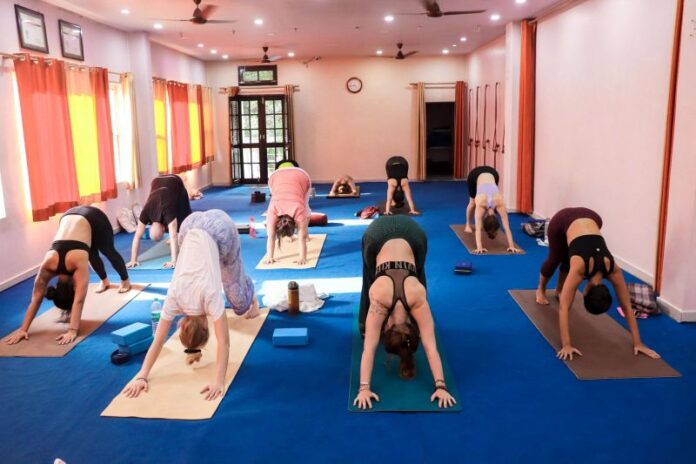
So… What Is Yoga Anyway?
If you think yoga is just super-flexible people folding themselves into human pretzels while sitting on mountaintops, good news: that’s only about 5% of it.
Yoga is basically a system of movement, breathing, stretching, and relaxation designed to make your body feel better and your brain calm down a little. Think of it as exercise mixed with meditation, but without needing to run a marathon or join a monastery.
People do yoga for all sorts of reasons:
- To get more flexible
- To reduce stress
- To improve posture
- To get stronger
- To stop making weird noises every time they stand up
- To feel calmer and healthier overall
And the best part? You do not need to be flexible to start yoga.
That’s like saying you need to be clean before taking a shower.
Why Beginners Love Yoga
Yoga is one of the few hobbies where:
- You can improve quickly
- You don’t need expensive equipment
- You can practice at home
- You can go at your own pace
- Falling over is considered normal
Even 10–15 minutes a day can make a noticeable difference in how your body feels.
What You Need Before You Start
Good news: almost nothing.
Basic Yoga Starter Pack
- Comfortable clothes
- A yoga mat (optional but helpful)
- Water
- Enough floor space to flop around safely
- The willingness to look slightly ridiculous at first
That’s it.
You do NOT need:
- Fancy leggings
- Spiritual enlightenment
- Incense
- Extreme flexibility
- A six-pack
The Golden Rules of Beginner Yoga
Before we start learning poses, remember these important rules:
1. Pain = Stop
Stretching is okay.
Sharp pain is NOT okay.
Your body should feel challenged, not attacked.
2. Breathe Normally
Beginners often accidentally hold their breath like they’re defusing a bomb.
Don’t do that.
Slow breathing helps your body relax into movements.
3. Nobody Is Good at Yoga Immediately
Everyone wobbles.
Everyone falls over.
Everyone has at least one pose that feels impossible.
That’s normal.
Your First Yoga Course: Beginner Basics
Here’s a simple beginner routine you can try today.
No advanced moves.
No chanting.
No handstands.
Just the basics.
Step 1: Mountain Pose (Your “Ready” Position)
This pose looks easy because it IS easy.
But it teaches posture and balance.
How To Do It
- Stand tall
- Feet hip-width apart
- Arms relaxed at your sides
- Shoulders relaxed
- Chin level
- Breathe slowly
Congratulations.
You are now doing yoga.
Beginner Tip
Imagine a string gently pulling the top of your head upward.
Step 2: Forward Fold (Touch Your Toes… Sort Of)
This stretches the back, hamstrings, and calves.
How To Do It
- Stand tall
- Slowly bend forward
- Let your arms hang down
- Bend your knees if needed
Important:
You do NOT need to touch your toes.
Yoga instructors will not emerge from the shadows to judge you.
Common Mistake
Trying to force the stretch.
Relax instead.
Step 3: Downward Dog (The Famous One)
This is probably the most recognizable yoga pose.
It stretches the entire body.
How To Do It
- Start on hands and knees
- Lift your hips upward
- Straighten your legs slightly
- Press hands into the floor
- Keep your head relaxed
Your body should form an upside-down “V”.
Beginner Tip
Your heels do NOT need to touch the floor.
Almost nobody’s do at first.
Step 4: Cat-Cow Stretch
This movement helps your spine loosen up.
And honestly, it just feels nice.
How To Do It
Cat Position
- Get on hands and knees
- Round your back upward
- Tuck your chin slightly
Cow Position
- Drop your belly downward
- Lift your chest slightly
- Look forward gently
Move slowly between the two.
Breathe while moving.
Step 5: Child’s Pose (The Emergency Reset Button)
This is the official yoga “I need a break” pose.
And yes — resting is part of yoga.
How To Do It
- Kneel on the floor
- Sit back onto your heels
- Stretch arms forward
- Rest your forehead down
Stay here and breathe.
This pose is excellent for stress relief.
Step 6: The Beginner Flow
Now let’s combine everything into a mini yoga session.
Try this:
- Mountain Pose — 30 seconds
- Forward Fold — 30 seconds
- Downward Dog — 30 seconds
- Cat-Cow Stretch — 1 minute
- Child’s Pose — 1 minute
Repeat 2–3 times.
Boom.
You just completed your first yoga workout.
The Secret Ingredient: Breathing
Yoga breathing sounds fancy, but here’s the beginner version:
Inhale
Breathe in slowly through your nose.
Exhale
Breathe out slowly through your nose or mouth.
That’s it.
Slow breathing helps:
- Reduce stress
- Improve focus
- Relax muscles
- Prevent panic during difficult poses
Which is useful when your legs start shaking like cooked noodles.
What Happens After a Few Weeks?
If you practice consistently, you’ll probably notice:
Better Flexibility
You’ll move more easily.
You may even stop groaning every time you stand up.
Better Posture
Less slouching.
Less stiffness.
Your spine will thank you.
Better Balance
You’ll wobble less over time.
Hopefully.
Less Stress
One of yoga’s biggest benefits is mental relaxation.
Many people finish yoga sessions feeling calmer and clearer.
Common Beginner Mistakes
Comparing Yourself to Others
Big mistake.
Yoga is not a competition.
Especially since some people have apparently been made entirely from elastic bands.
Going Too Hard Too Fast
You do not need advanced poses immediately.
Master the basics first.
Skipping Warm-Ups
Cold muscles complain loudly.
Warm up gently first.
Forgetting to Breathe
This happens constantly.
If you notice yourself holding your breath, relax and reset.
How Often Should You Practice?
For beginners:
- 2–4 times per week is excellent
- Even 10 minutes helps
- Consistency matters more than intensity
Small progress adds up surprisingly fast.
Yoga Styles Explained (Without Confusing You)
Hatha Yoga
Slow and beginner-friendly.
Great starting point.
Vinyasa Yoga
More movement-focused.
Flows between poses.
Feels more like a workout.
Yin Yoga
Very slow stretching.
You hold poses longer.
Excellent for relaxation.
Power Yoga
Harder and more athletic.
Maybe save this for later unless you enjoy suffering.
Final Thoughts: Why Yoga Is Worth Trying
Yoga isn’t about being perfect.
It’s about:
- Moving better
- Feeling better
- Stressing less
- Learning how your body works
You don’t need flexibility.
You don’t need experience.
You just need to start.
And remember:
If you wobble, fall over, or accidentally invent a completely new yoga pose…
Congratulations.
You’re doing beginner yoga correctly.